Pretoria, South Africa
Every painting begins long before the first brush touches the canvas.
For me, it usually starts with a moment. Sometimes it is an image I come across while exploring nature or browsing photographs. Other times it is a person, a mood, or simply a colour combination that refuses to leave my mind. Inspiration does not arrive with a clear plan. It arrives as a feeling.
Once that feeling appears, the process slowly begins.
The First Marks
I start by sketching the basic form of the image onto the canvas in pencil. These lines are not meant to control the painting. They are only a guide, a starting point that helps me establish the structure, light and shadows that will give the piece its depth.
From there the first layers of oil paint are added. These early layers establish the tones and the foundation of the work. At this stage the painting is still quiet, almost reserved, waiting for its personality to emerge.
Music and Movement
Music plays a powerful role in my studio.
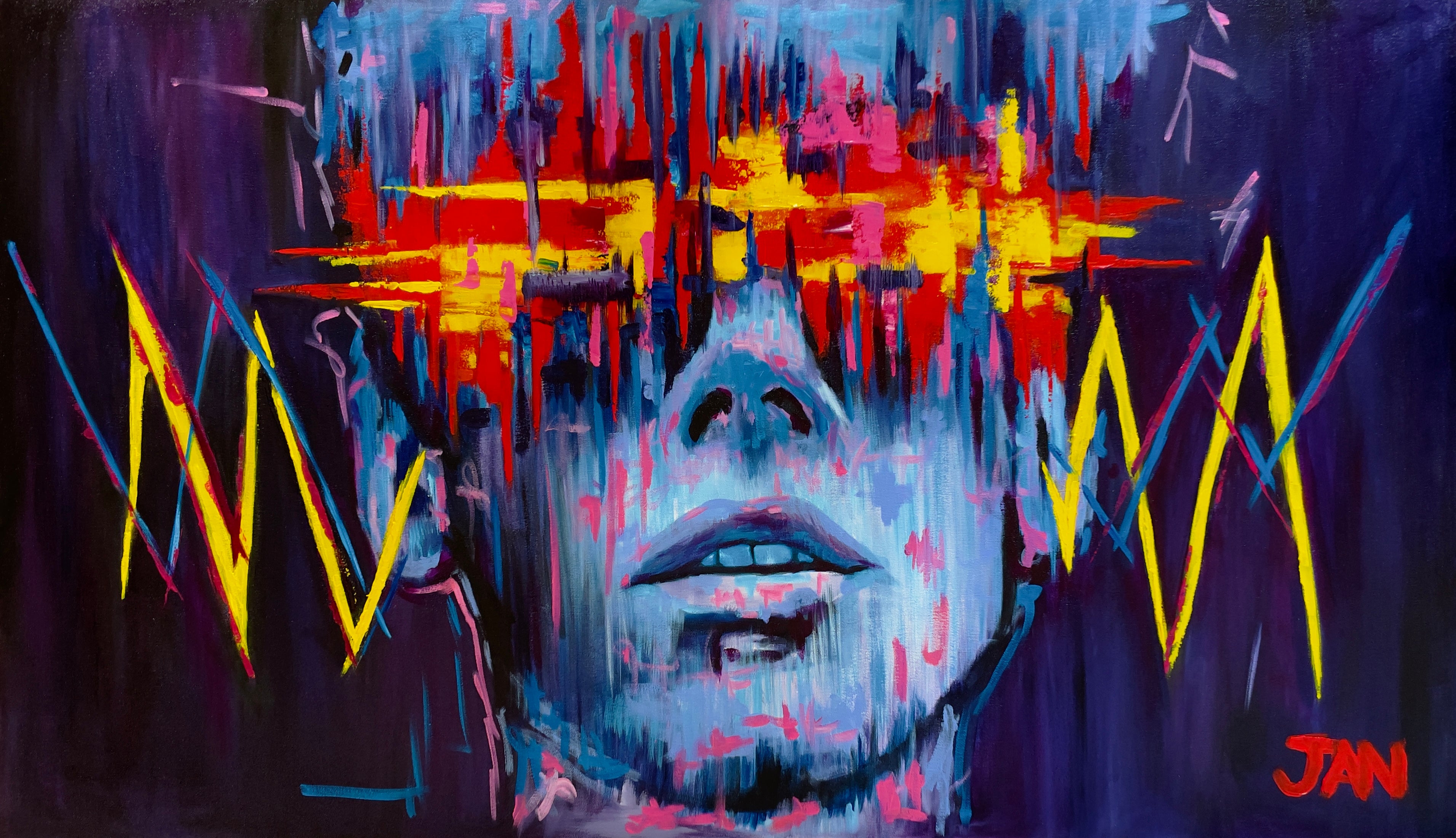
When I paint, I usually put on my headphones and allow the music to guide my mood. The rhythm, energy and emotion in the music often influence the movement of the brush. Some paintings develop slowly and quietly. Others feel more energetic and expressive.
In those moments, the painting almost begins to lead the process.
Letting the Colours Choose
One of the most important things I have learned is not to force colour choices. Many people believe there are rules about what colours should or should not be used together.
I believe the opposite.
Colour has its own language. Sometimes the painting asks for bold contrast, other times for softer tones. When you allow yourself to follow instinct instead of rules, the painting becomes far more alive.
The Patience of Oil
Working with oil paint has taught me patience.
Each layer needs time to settle before the next can be added. Sometimes a painting develops quickly, within a few weeks. Other times it takes several months before it finally feels complete.
There is always a moment when the painting tells you it is finished. It is difficult to explain, but every artist knows that quiet moment when the work no longer asks for anything more.
More Than an Image
My goal with each painting is not simply to recreate an image. It is to capture a feeling, an atmosphere, or a sense of beauty that can live within the space where the artwork hangs.
Every piece becomes part of a home, part of a story, part of someone’s daily life.
And that, to me, is the most rewarding part of the process.