Maggie Laubser: A Founding Voice of South African Expressionism
Before Expressionism found recognition in South Africa, Maggie Laubser was already painting against convention.
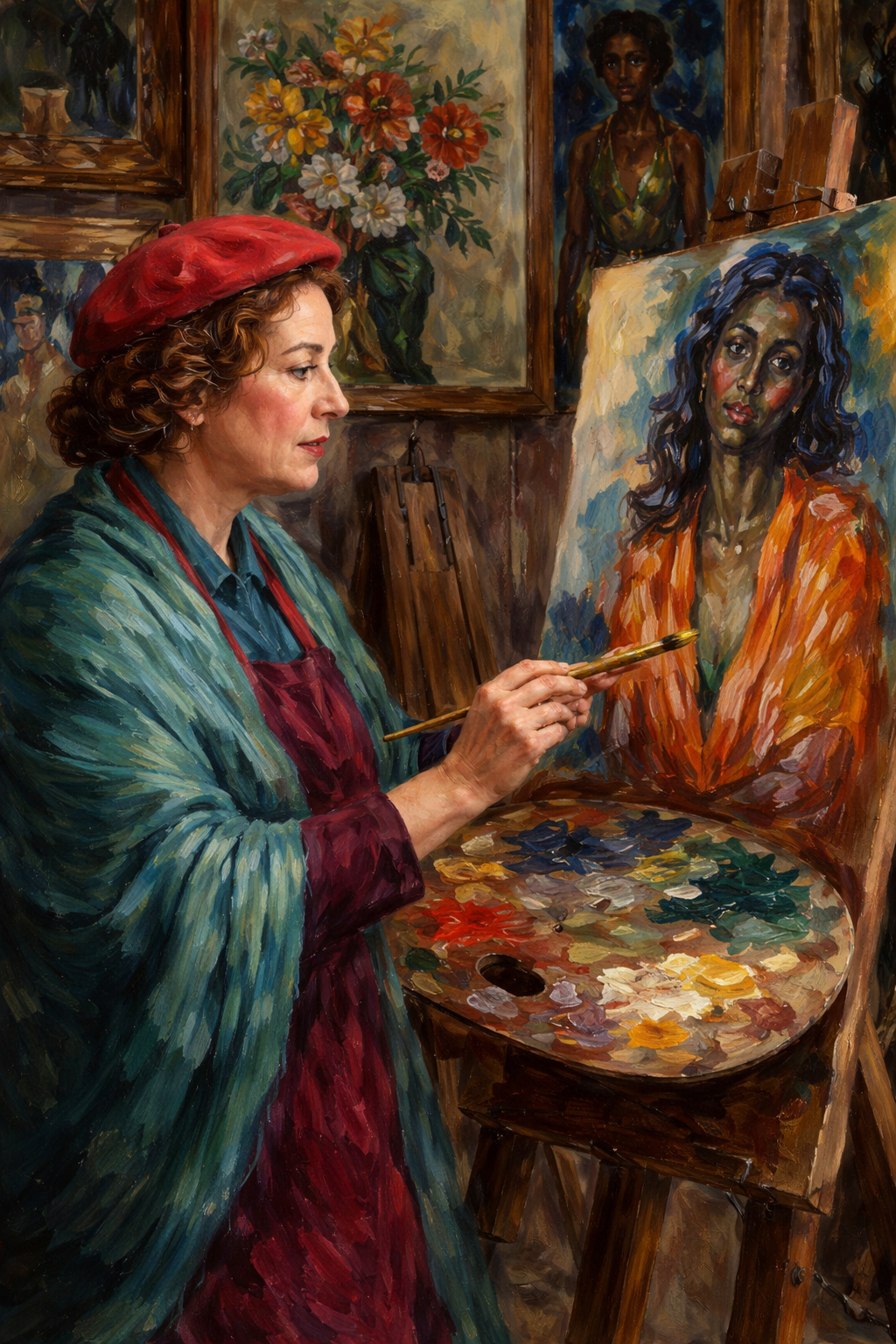
Born in 1886, Laubser became one of the earliest artists in South Africa to embrace Expressionism, a style that prioritised emotion, colour, and personal interpretation over realism. At a time when traditional European techniques dominated, her work stood apart, bold, simplified, and deeply expressive.
Her paintings were not concerned with perfection.
They were concerned with feeling.
A Style Defined by Simplicity and Emotion
Laubser’s work is instantly recognisable.
Soft yet powerful colour palettes, simplified forms, and a quiet emotional presence define her paintings. Whether depicting landscapes, animals, or figures, her compositions carry a sense of calm introspection.
Unlike more aggressive forms of Expressionism, Laubser’s approach was restrained, almost meditative. Her work invites the viewer to slow down and engage with subtle emotional depth.
A Style Defined by Simplicity and Emotion
Laubser’s work is instantly recognisable.
Soft yet powerful colour palettes, simplified forms, and a quiet emotional presence define her paintings. Whether depicting landscapes, animals, or figures, her compositions carry a sense of calm introspection.
Unlike more aggressive forms of Expressionism, Laubser’s approach was restrained, almost meditative. Her work invites the viewer to slow down and engage with subtle emotional depth.
The Value of Expressionism
Maggie Laubser’s work continues to command strong attention in the art market.
Collectors value her paintings not only for their historical significance, but for their timeless emotional quality. Her work demonstrates that Expressionism is not a trend, but a lasting language within art.
It is a language built on:
- Emotion over perfection
- Colour as communication
- Simplicity as strength
From Laubser to Contemporary Expressionism
Expressionism in South Africa has evolved significantly since Laubser’s time.
While her work leaned toward quiet introspection, contemporary artists often push the boundaries further, introducing movement, disruption, and intensity into the human form.
JAN: A Contemporary Expressionist Approach
JAN continues this evolution.
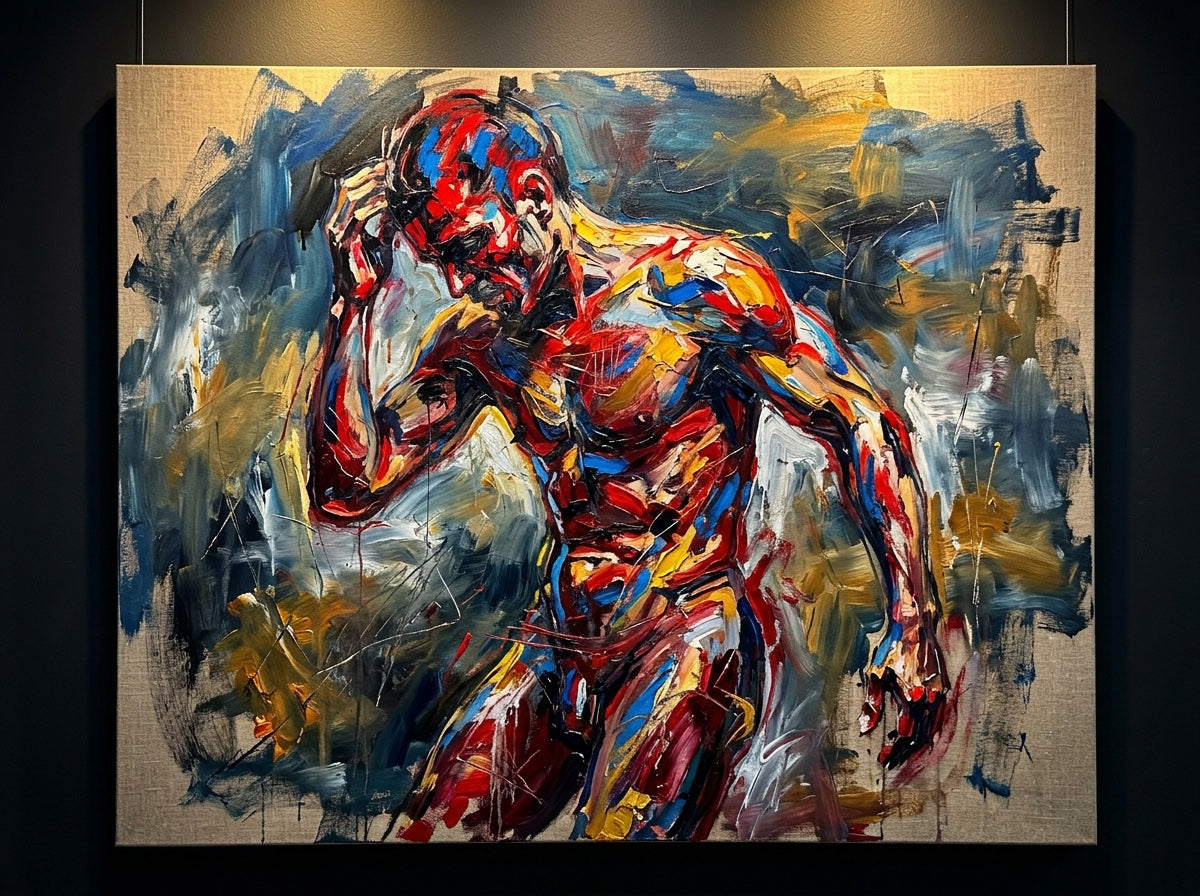
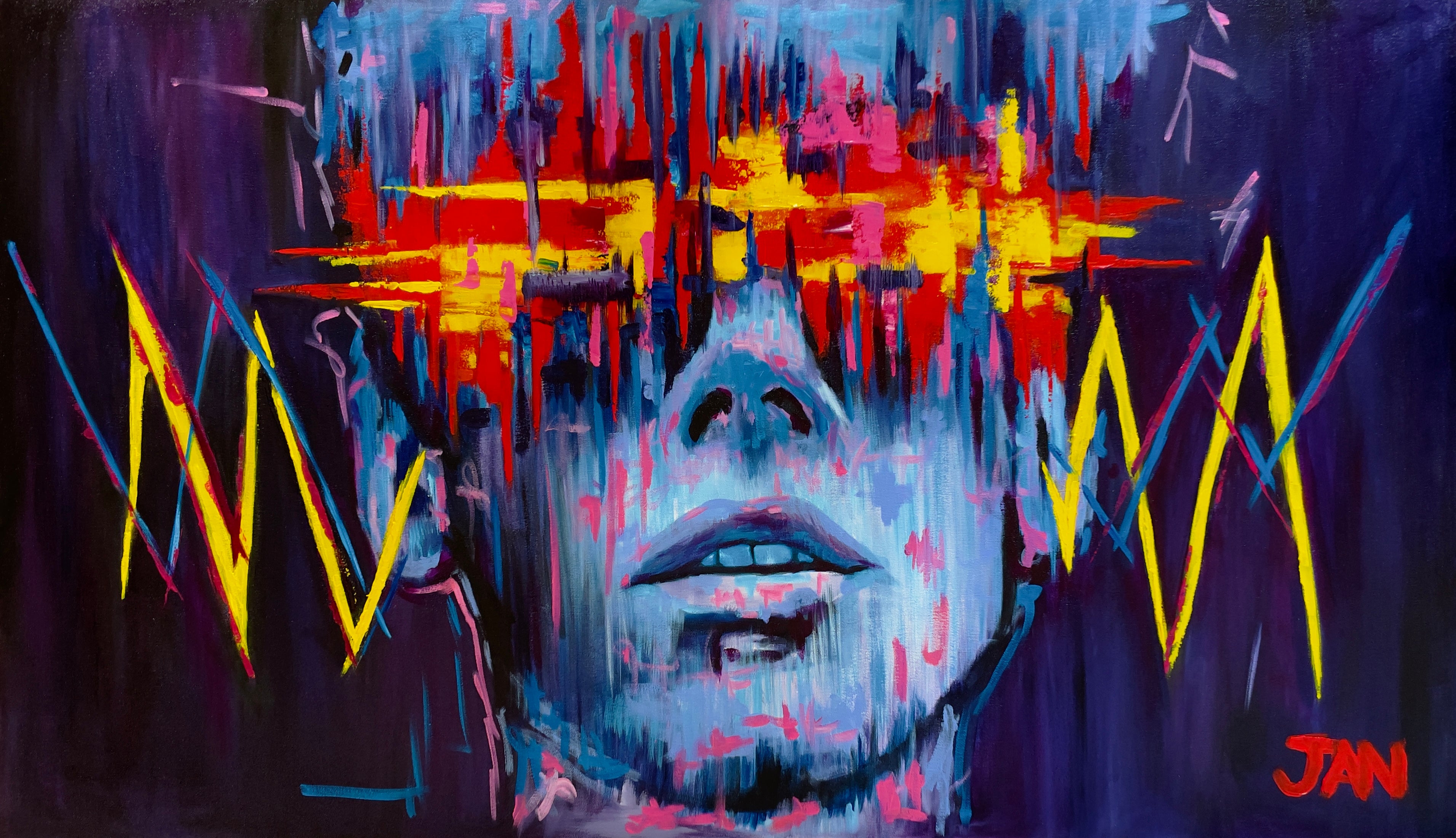
Working primarily in oil on canvas, JAN explores the human figure as a space of tension, energy, and transformation. His work introduces a more dynamic, almost kinetic interpretation of Expressionism, where colour breaks through form and structure is intentionally disrupted.
Where Maggie Laubser simplified form to express emotion, JAN expands it, layering movement, fragmentation, and intensity.
The result is a contemporary expressionist language rooted in the same foundation, but moving in a new direction.
Why This Matters for Collectors
Understanding artists like Maggie Laubser gives context to contemporary work.
Collectors are not only investing in individual pieces, they are engaging with an evolving artistic conversation. From early pioneers like Laubser to contemporary artists like JAN, Expressionism continues to adapt, grow, and remain relevant.
This creates a unique opportunity to collect work that is both connected to a strong artistic legacy and actively shaping its future.
A Living Tradition
Maggie Laubser helped establish Expressionism in South Africa.
Today, that legacy continues, not as repetition, but as reinvention.
For collectors, this is where the most exciting work exists, at the intersection of history and now.
Explore contemporary Expressionist works by JAN:
Explore JAN’s latest works and experience how Expressionism continues to evolve in contemporary South African art.