What is Expressionism in Art?
Expressionism is an art movement that focuses on emotion rather than accuracy.
Instead of painting what the eye sees, Expressionist artists paint what they feel. Form, colour, and structure are often distorted or exaggerated to communicate internal experience, tension, and energy.
It is not about perfection.
It is about presence.
The Origins of Expressionism
Expressionism began in early 20th-century Europe, particularly in Germany, as artists started moving away from traditional academic painting.
Movements such as Die Brücke and Der Blaue Reiter rejected realism and embraced bold colour, raw brushwork, and emotional intensity. Their work often reflected the psychological and social tensions of the time.
This marked a shift in art history, where personal interpretation became more important than objective representation.
Key Characteristics of Expressionism
Expressionist works are often recognisable through:
- Distorted or simplified forms
- Bold, non-naturalistic colour
- Visible, expressive brushwork
- Emotional intensity over realism
- A focus on the human condition
In Expressionism, the artwork becomes a direct extension of the artist’s internal state.
Expressionism in South Africa
Expressionism found its own voice in South Africa through artists such as Maggie Laubser and Irma Stern.
These artists adapted the movement to local contexts, using colour and form to explore identity, culture, and environment. Their work often carried a quieter, more reflective tone, yet remained deeply expressive.
Today, their works are among the most recognised and valuable in South African art history.
Contemporary Expressionism
Expressionism did not end in the early 20th century.
It evolved.
Contemporary artists continue to use Expressionism as a way to explore modern themes, identity, tension, and transformation.
Where early Expressionists simplified form, many contemporary artists expand it, introducing movement, abstraction, and fragmentation.
JAN and Expressionism Today
JAN’s work sits within this contemporary evolution.
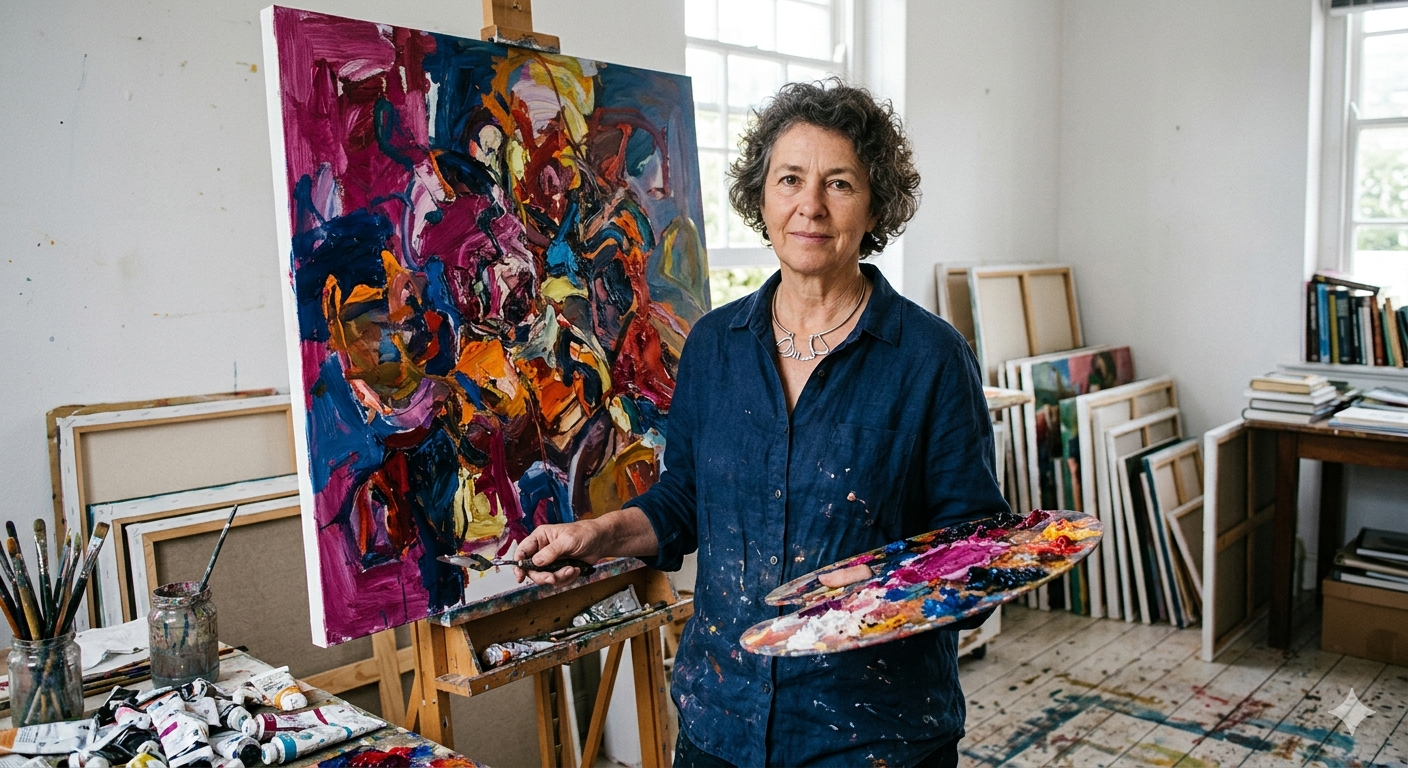
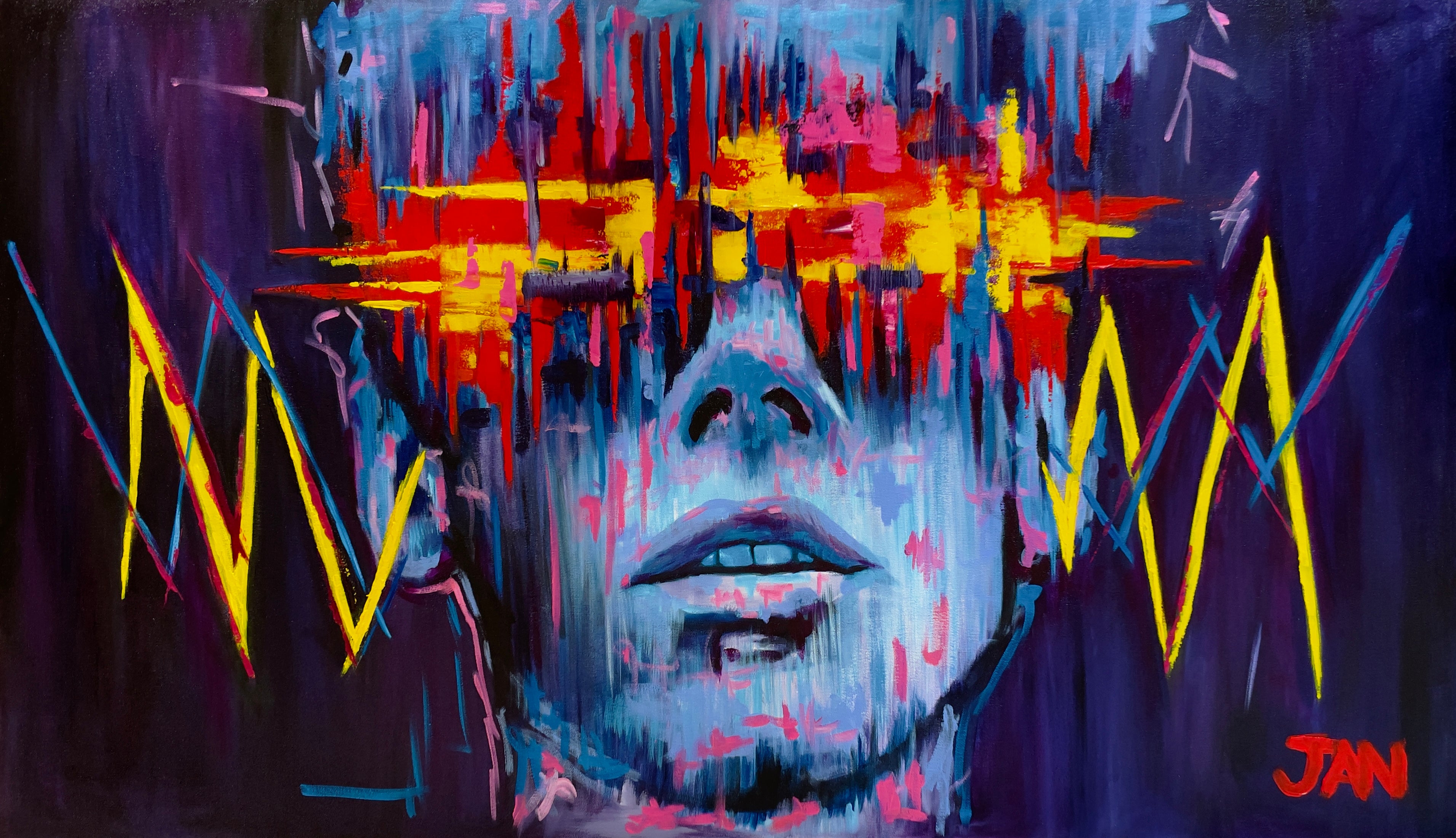
Through oil on canvas, JAN explores the human figure as a space of energy and disruption. The body is not static, it becomes a vessel through which colour, movement, and tension are expressed.
Sharp colour interruptions, bold strokes, and fragmented compositions create a visual language that feels immediate and alive.
This is Expressionism in a modern context, where structure meets instinct, and form becomes fluid.
Why Expressionism Still Matters
Expressionism remains relevant because it speaks directly to human experience.
It does not rely on realism or technical perfection. Instead, it connects through emotion, making it accessible, powerful, and timeless.
For collectors, Expressionist work offers:
- Strong visual presence
- Emotional depth
- A clear artistic identity
- Long-term relevance
A Living Movement
Expressionism is not a fixed style.
It is a language.
From early pioneers to contemporary artists, it continues to evolve, adapt, and respond to the world around it.
For those engaging with art today, Expressionism offers something essential, a direct connection between the artist, the work, and the viewer.
“Explore contemporary Expressionist artworks”